
Tree Pollarding in Dudley
If you have a tree that keeps outgrowing its space, pollarding is one of the most effective ways to manage it long-term. It controls the size of the tree on an ongoing basis, keeping it compact and manageable without having to remove it.
We carry out tree pollarding across Dudley for homeowners and commercial properties. It is particularly useful in urban gardens, along boundaries, and for trees near buildings or roads where space is limited and regular size control is needed.
Some trees just keep growing back no matter how much you cut them. Pollarding gives you a structured way to deal with that. Rather than reacting to overgrowth every few years, it establishes a framework that the tree grows from, making future maintenance simpler and more predictable.
All pollarding work is carried out by experienced tree surgeons using safe, controlled techniques. We are fully insured and local to the area.
If you think pollarding might be the right option for your tree, get in touch for a free quote.
Book Your Tree Surgeon in Dudley
Fill out the form below and a local tree surgeon will contact you shortly to discuss the work and arrange a quote.
By submitting this form, you agree to be contacted by a local tree surgeon regarding your enquiry. We’ll only use your details to help with your request, no spam, no unrelated marketing. See our Privacy Policy for more details.
How It Works
Get In Touch
Give us a call or fill out our quick online form to tell us about the tree work you need.
We Assess The Job
We’ll discuss the work required, assess the trees or outdoor area, and provide clear advice along with a free quote.
We Carry Out The Work
Once approved, we complete the tree work safely and efficiently, leaving the area clean and tidy once finished.
What is Tree Pollarding?
Pollarding is a pruning technique where the branches of a tree are cut back to the same points on a regular cycle. Over time, this creates a framework of short, sturdy limbs that the tree regrows from each season. The new growth is then cut back again at the next cycle, keeping the tree at a consistent, controlled size.
It is a method that has been used for centuries, particularly on species like willow, lime, and plane trees. You will often see pollarded trees along streets and in parks where space is limited and the tree needs to be kept under control year after year.
The key difference between pollarding and other types of pruning is that pollarding is ongoing. It is not a one-off job. Once a tree has been pollarded, it needs to be maintained on a regular cycle to keep the regrowth in check. If it is left too long between cuts, the new branches can become heavy and the whole point of the exercise is lost.
Pollarding is different from crown reduction, which reduces the size of a tree but does not establish a long-term framework for regrowth. It is also different from general tree pruning, which maintains a tree’s natural shape rather than restructuring it.
Pollarding is a long-term solution for managing tree size in a controlled and structured way.
When is Pollarding Needed?
Pollarding is not something every tree needs. It is a specific technique for specific situations. But when it is the right approach, it solves problems that other forms of pruning struggle with.
Here are the most common reasons people ask about pollarding:
- The tree keeps growing too large and needs cutting back repeatedly
- There is limited space in the garden or along a boundary and the tree needs to stay compact
- The tree is close to a building or road and regular size control is essential
- The tree is blocking light and will continue to do so unless it is managed on an ongoing basis
- Previous pruning has not kept the tree under control and a more structured approach is needed
It is worth knowing that pollarding is not suitable for all trees. Some species respond well to it and regrow cleanly. Others do not tolerate it and can be weakened or damaged. Trees like willow, lime, horse chestnut, and certain species of oak and beech tend to handle pollarding well. We will always check whether your tree is a good candidate before recommending it.
Pollarding also works best when it is started while the tree is relatively young or has already been pollarded before. Starting pollarding on a large, mature tree that has never been pollarded carries more risk and is not always advisable. We can assess your tree and give you honest advice on whether it is the right approach.
Our Tree Pollarding Process
Here is how we approach a pollarding job:
- Get in touch – call us or fill in the form. Tell us about the tree, where it is, and what you are hoping to achieve.
- Tree assessment – we will look at the tree’s species, size, condition, and surroundings. Not all trees are suitable for pollarding, so this step is important.
- Suitability check – if the tree is a good candidate, we will explain how pollarding will work for it and what to expect. If it is not suitable, we will recommend a better alternative.
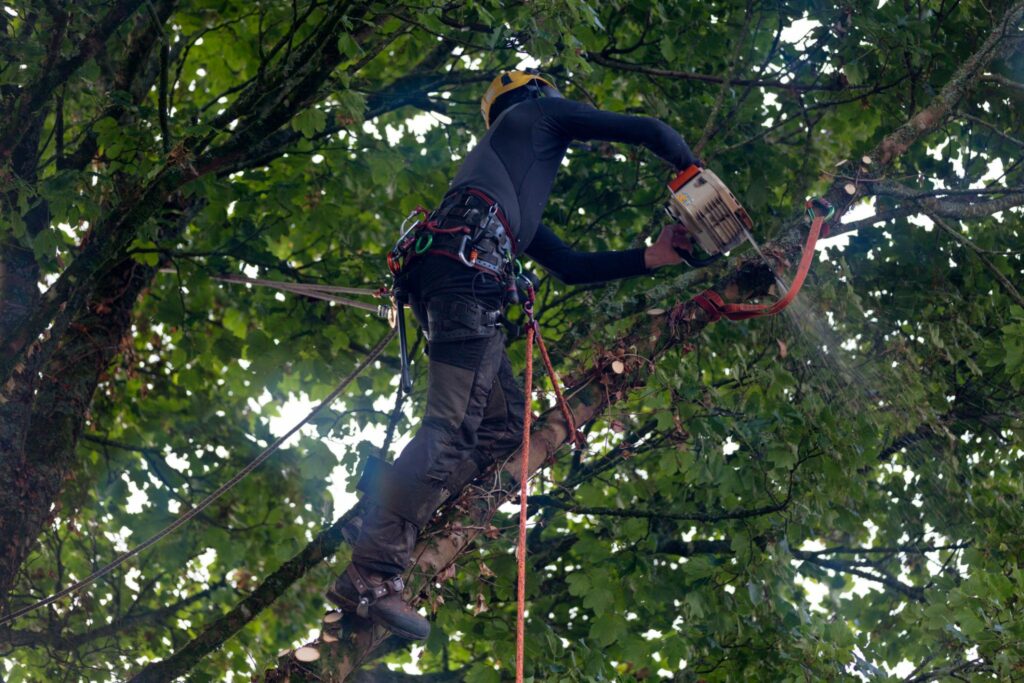
- Controlled pollarding – the branches are cut back to the framework points using clean, precise cuts. The work is done carefully to give the tree the best chance of healthy regrowth.
- Ongoing maintenance advice – we will let you know when the tree will need pollarding again and what to look out for in the meantime.
The site is left clean and tidy after every job. All branches and waste are removed.
How Much Does Tree Pollarding Cost?
The cost of pollarding depends on the individual tree and the work involved. There is no set price because the amount of work can vary quite a bit from one tree to the next.
The main factors that affect the cost:
- The size of the tree and how much growth needs removing
- Whether the tree has been pollarded before or is being pollarded for the first time
- The species and condition of the tree
- Access to the tree and the space around it
A tree that has been regularly pollarded and just needs its regrowth cut back is a quicker, more straightforward job. A tree that has not been pollarded in years and has a lot of heavy regrowth will take more time and effort to bring back under control.
First-time pollarding on a tree that has never been cut this way tends to be more involved than maintaining an existing pollard cycle. That said, once the framework is established, the ongoing maintenance becomes simpler and more affordable each time.
Get in touch and tell us about the tree. We can usually give an idea of cost from a phone call or a photo. For bigger trees, we will come and take a look first. Quotes are free and there is no obligation.
Pollarding vs Pruning vs Crown Reduction
These three services all involve cutting a tree back, but they do different things and suit different situations.
Pollarding is a long-term management technique. The branches are cut back to the same framework points on a regular cycle, keeping the tree at a controlled size indefinitely. It is best for trees in tight spaces that need ongoing size control.
Tree pruning is general maintenance. It covers things like removing dead wood, thinning the canopy, shaping the tree, and cutting back overgrowth. Pruning maintains the tree’s natural form and is usually done every few years.
Crown reduction reduces the overall height and spread of a tree by shortening branches. It is a one-off or occasional job used when a tree has grown too large. Unlike pollarding, it does not establish a framework for ongoing regrowth management.
A few examples:
- Your tree keeps growing back and needs controlling every couple of years → pollarding
- The tree looks overgrown and needs tidying up → pruning
- The tree has got too big and needs bringing down in size → crown reduction
If you are not sure which one your tree needs, we can take a look and recommend the right approach. In some cases, a combination of techniques works best.
Why Choose Us for Tree Pollarding in Dudley
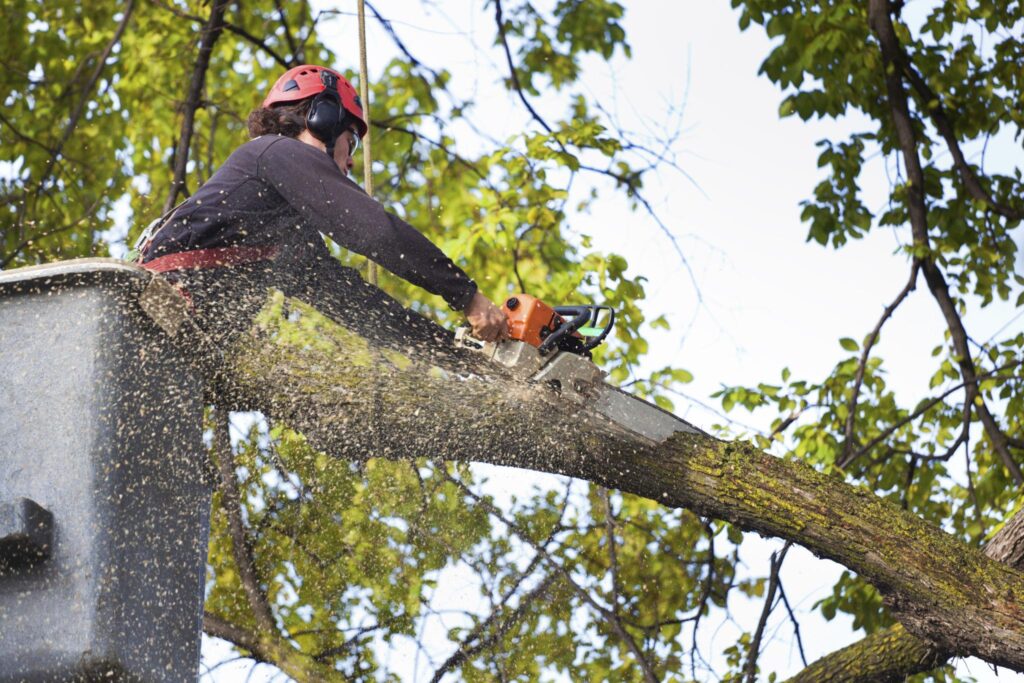
Pollarding needs to be done properly. Cutting in the wrong places, at the wrong time, or on the wrong species can damage the tree and create more problems than it solves. We know how to do it right.
Here is what you get when you work with us:
- Experienced tree surgeons who understand pollarding techniques and which trees respond well to them
- Fully insured on every job for complete peace of mind
- Safe and controlled work that prioritises the health of the tree
- Reliable and professional so the job gets done on time and to a high standard
- Competitive pricing based on the actual work involved
We carry out pollarding across Dudley regularly. Get in touch, tell us what you need, and we will take care of the rest.
Areas We Cover Around Dudley
We carry out tree pollarding across Dudley and the surrounding areas, including:
Stourbridge, Halesowen, Brierley Hill, Sedgley, Kingswinford, and Tipton.
Not on the list? Get in touch anyway. We cover a wide area across the Black Country and West Midlands.
Related Tree Services
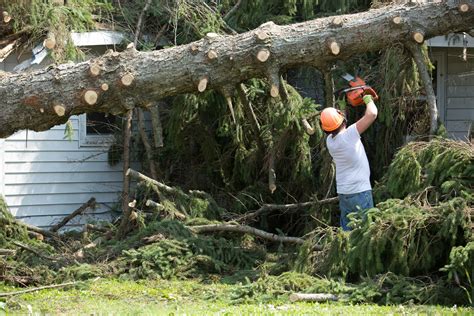
Pollarding is one of several tree services we offer. Depending on your situation, these may also be useful:
- Tree pruning – general pruning and maintenance for all tree types
- Crown reduction – reducing tree height and spread
- Tree cutting – general tree cutting and trimming work
- Tree removal – full removal for dead, dangerous, or unwanted trees
If you have more than one job that needs doing, mention it when you get in touch. We can often deal with everything in one visit.
How to Book Tree Pollarding
Getting pollarding booked in is simple:
- Call us or fill in the form on this page. Let us know about the tree and what you are looking to achieve.
- We will get back to you quickly to discuss the job and arrange a visit if needed.
- We carry out the work safely and leave the site clean and tidy.
No hassle, no long wait. We respond quickly and keep things straightforward.
Keep Your Trees Under Control with Professional Pollarding
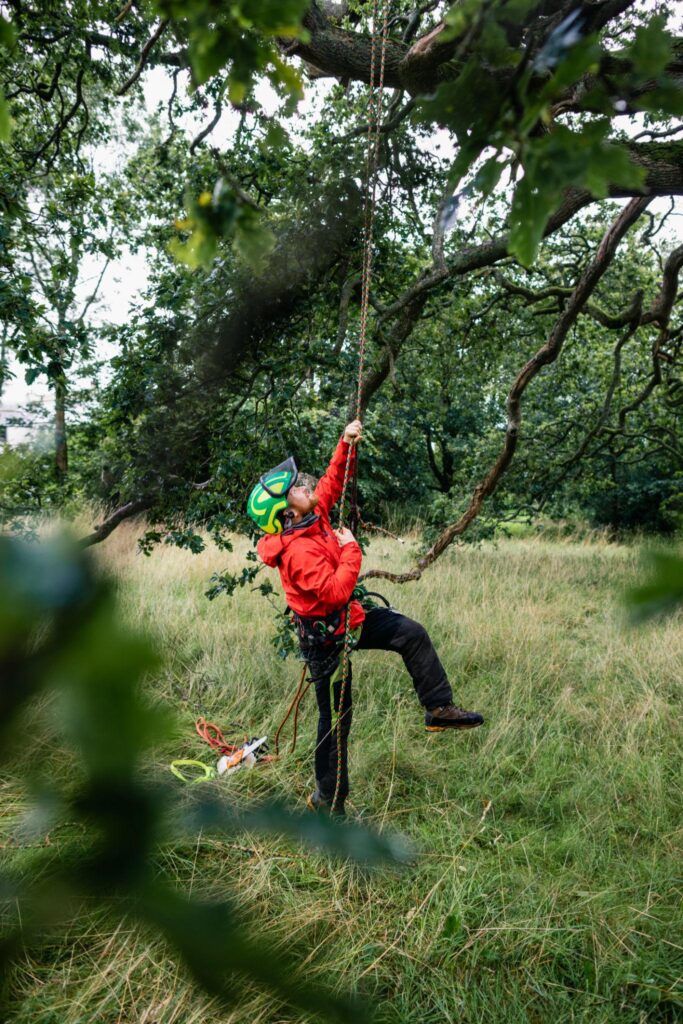
If your tree keeps outgrowing its space and regular pruning is not keeping up, pollarding gives you a structured, long-term way to manage it. It keeps the tree in the ground, keeps it at a controlled size, and makes future maintenance more predictable.
We provide professional pollarding across Dudley and the surrounding areas. Every job is carried out safely and carefully, and the site is left tidy when we are done.
Get in touch today for a free quote.
Frequently Asked Questions
Pollarding is a pruning technique where branches are cut back to a set framework on a regular cycle. This controls the tree’s size long-term and produces a compact, managed shape. It is commonly used on species like willow, lime, and plane trees, especially in urban areas where space is limited.
When it is done on the right species and at the right time, yes. Some trees respond very well to pollarding and can be maintained this way for decades. It is important that pollarding is carried out by someone who understands which trees are suitable and how to make the cuts correctly. Done badly, it can weaken the tree.
Most pollarded trees need cutting back every one to three years, depending on the species and how quickly the regrowth develops. Faster-growing species like willow may need annual attention. We can advise on the right cycle for your tree.
It depends on the size of the tree, whether it has been pollarded before, and access. A tree on an established pollard cycle will usually be quicker and more affordable than one being pollarded for the first time. Get in touch for a free quote.
Not when it is done properly and on a suitable species. Some trees are not suited to pollarding and can suffer if it is attempted. We always assess the tree first and will only recommend pollarding if it is appropriate. If it is not, we will suggest an alternative.
Pruning is a broad term for cutting and maintaining trees. Pollarding is a specific type of pruning that cuts branches back to the same points on a regular cycle to control size long-term. General pruning maintains the tree’s natural shape, while pollarding restructures it for ongoing management.
No. Pollarding suits certain species better than others. Trees like willow, lime, horse chestnut, and London plane tend to handle it well. Others, particularly conifers and some ornamental species, do not respond well and can be damaged. We will always check suitability before starting.
If the tree is covered by a Tree Preservation Order (TPO) or is in a conservation area, you will need permission from your local council before any work is carried out. We can help you check this before we begin.
What Our Customers Have To Say
Read More Of Our Reviews
“We had a large tree in the garden that had become overgrown and was starting to block light into the house. The team came out, explained exactly what they’d do, and got the job done quickly. Everything was left clean and tidy afterwards. Really pleased with the result.”
- James R
“After a storm, we had a damaged tree leaning dangerously towards our fence. Tree Surgeon Dudley came out the same day and dealt with it safely. They were professional, efficient, and clearly knew what they were doing. Would definitely use again.”
- Sarah L
“Used them for tree pruning and general maintenance. Communication was straightforward, price was fair, and the work was carried out to a high standard. You can tell they take pride in what they do. Highly recommend.”
- Davies S
Get a Free Tree Surgery Quote Today
Need a tree looked at? Whether it’s urgent work or general maintenance, we’re ready to help. One of our experienced tree surgeons will get back to you quickly to discuss the job and arrange a suitable time.
For dangerous trees or storm damage, we offer fast response callouts across Dudley and surrounding areas.